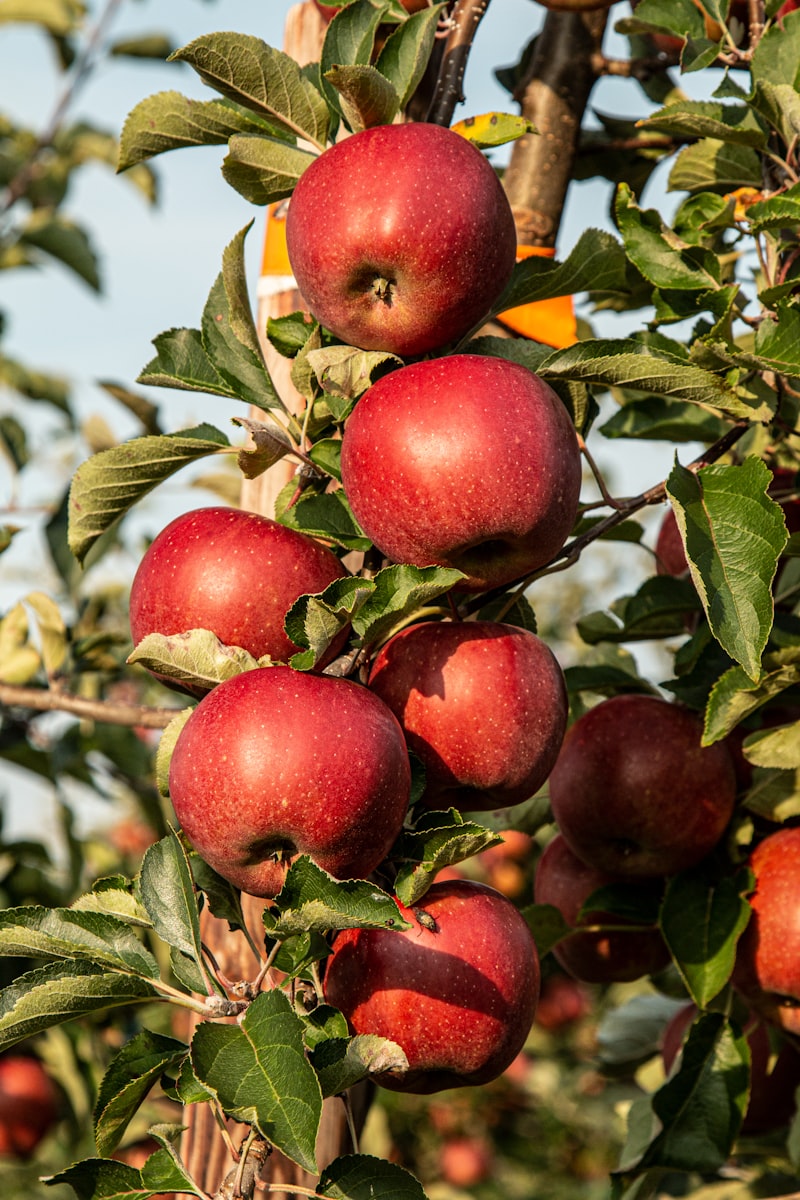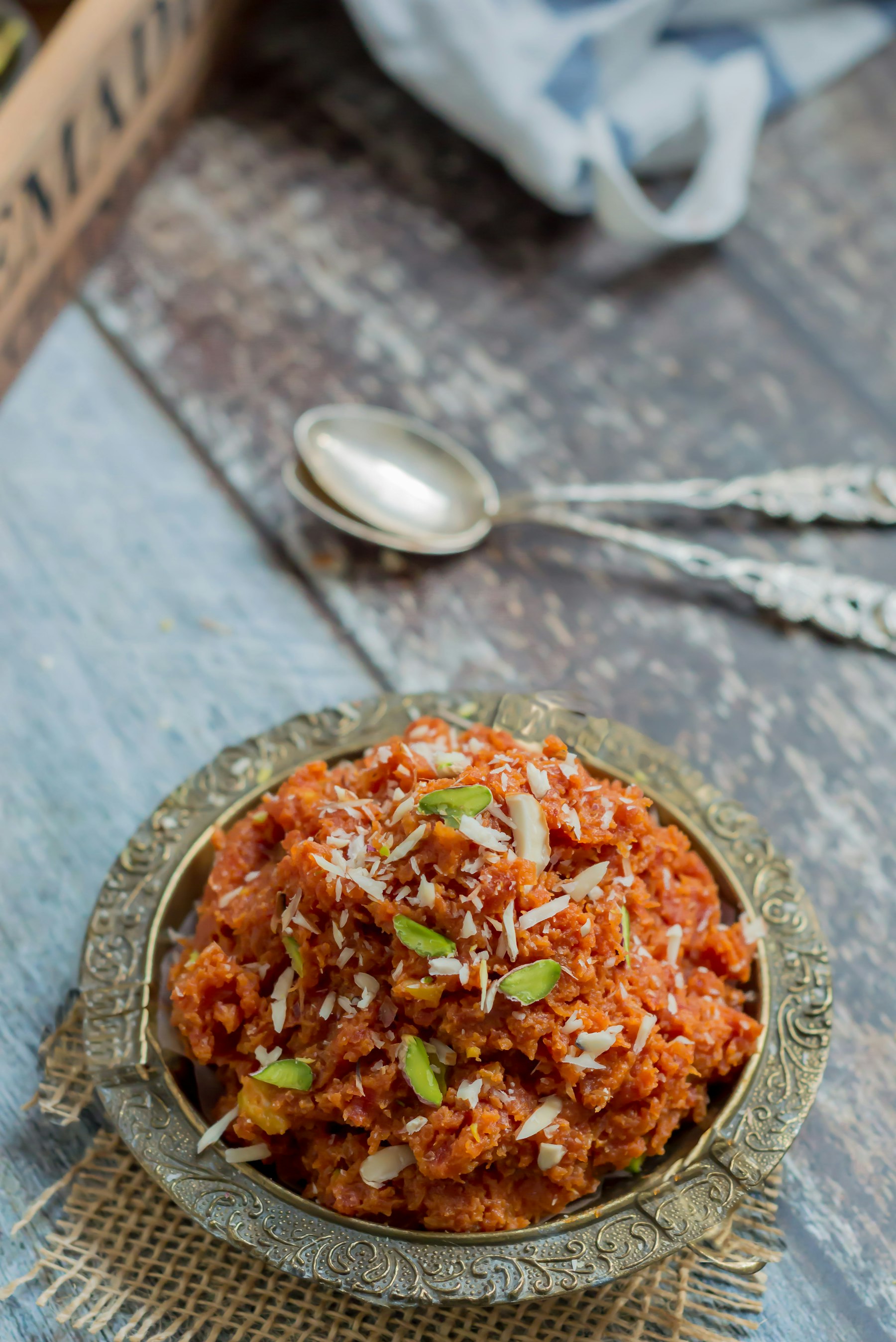
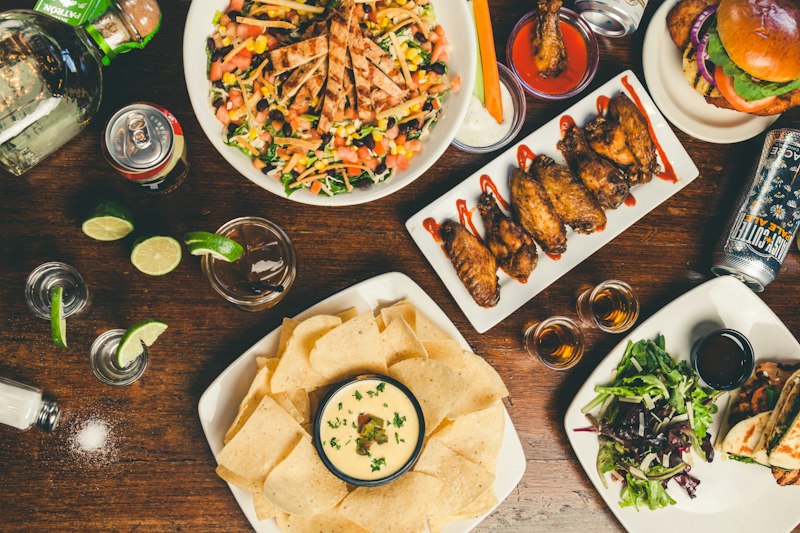
A rustic French table set for dinner in warm evening light

Iagoli Cuisine

Alsatian Cooking Without Vegetable Oil

Baeckeoffe, flammekueche and kougelhopf the way the winstubs of Alsace have always made them. Butter, lard and patience, never a drop of seed oil.

Browse the Recipes

How We Cook

Three Rules of the Alsatian Table

  1. 1

    Bùtter

    Butter Before Everything

    Alsatian farm kitchens built their flavor on good butter, melted slowly in a heavy pan. Every recipe on this site starts the same way, with butter first and nothing hiding underneath it.

  2. 2

    Schmàlz

    Rendered Fat, Low Fire

    Goose fat and lard carried Alsace through long winters. They still belong in the pot. We cook them the old way, over low heat, with the time a proper braise deserves.

  3. 3

    Nie

    Never Vegetable Oil

    You will not find seed oils anywhere in our kitchen. Only butter, lard, tallow, ghee, olive oil and coconut oil, the fats that were on the Alsatian table long before refined oil existed.

The Collection

Six Dishes From the Route des Vins

Classic Alsatian cooking, written out step by step. Click a dish to open the full recipe.

A rich braised meat dish served in a deep dish

The great Monday dish of Alsace: pork, lamb and beef marinated overnight in Riesling, then layered with potatoes and baked for hours in a sealed pot. It was once left at the baker's oven while families did the washing.

  • 3 hr 45 min plus overnight marinade
  • Serves 6
  • Intermediate

Ingredients

  • 500 g pork shoulder, cubed
  • 500 g lamb shoulder, cubed
  • 500 g beef chuck, cubed
  • 750 ml dry Riesling
  • 1.2 kg waxy potatoes, sliced
  • 3 yellow onions, sliced
  • 2 leeks, white parts, sliced
  • 4 garlic cloves, crushed
  • 2 bay leaves and a few thyme sprigs
  • 60 g butter, plus more for the dish
  • Sea salt and black pepper

Method

  1. The night before, combine the three meats with the Riesling, garlic, bay and thyme. Cover and marinate in the fridge overnight.
  2. Butter a deep baking dish generously. Lay down a layer of potatoes, then onions and leeks, seasoning as you go.
  3. Add the drained meats in an even layer, then repeat the vegetable layers, finishing with potatoes on top.
  4. Pour the marinade over everything and dot the surface with butter. Cover as tightly as you can, with a lid or a simple flour and water dough seal.
  5. Bake at 160 C for about 3 hours without lifting the lid.
  6. Rest 15 minutes, then bring the whole dish to the table and serve straight from it.
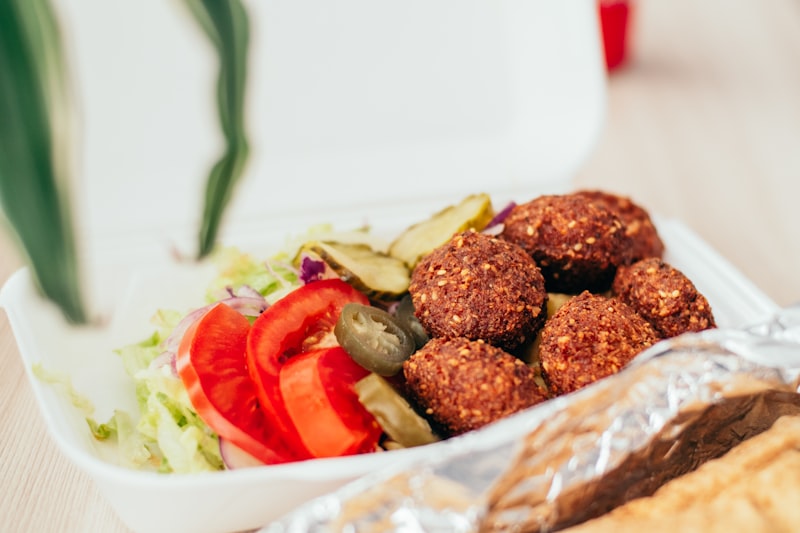
A delicate fish dish in a pale cream sauce

The Ill river gave Alsace its fish stew: firm river fish poached in Riesling and finished with creme fraiche and egg yolk. Gentle heat is everything here.

  • 50 min
  • Serves 4
  • Intermediate

Ingredients

  • 800 g mixed firm fish (trout, pike, perch), in large pieces
  • 60 g butter
  • 3 shallots, finely chopped
  • 250 ml dry Riesling
  • 250 ml fish stock
  • 200 ml creme fraiche
  • 2 egg yolks
  • 200 g button mushrooms, quartered
  • A squeeze of lemon
  • Flat leaf parsley, chopped
  • Salt and white pepper

Method

  1. Soften the shallots in half the butter over gentle heat, without letting them color.
  2. Add the Riesling and fish stock and simmer 5 minutes.
  3. Slip in the fish pieces and poach 6 to 8 minutes, then lift them out and keep warm.
  4. Saute the mushrooms in the remaining butter, add them to the broth and reduce it by a third.
  5. Whisk the creme fraiche with the yolks, temper with a ladle of hot broth, then stir back in off the heat. Do not let it boil again.
  6. Return the fish, add lemon and parsley, season, and serve with buttered egg noodles.
Golden potatoes cooked until tender

From the marcaire farms of the Munster valley: potatoes and onions cooked very slowly in a great deal of butter until they collapse into something silky and faintly crusted underneath.

  • 1 hr 20 min
  • Serves 4
  • Easy

Ingredients

  • 1.2 kg waxy potatoes, thinly sliced
  • 120 g good butter
  • 2 onions, thinly sliced
  • 2 sprigs thyme
  • 1 bay leaf
  • Coarse sea salt
  • Black pepper
  • A small splash of water
  • Chives, snipped, to finish
  • An extra knob of butter to serve

Method

  1. Melt the butter in a heavy lidded pot and soften the onions for 8 minutes without browning.
  2. Add the potato slices, salt, thyme and bay, and turn everything until well coated in butter.
  3. Add a small splash of water, put the lid on and drop the heat as low as it will go.
  4. Cook about 1 hour, turning with a spatula every 15 minutes so the bottom crusts lightly but never burns.
  5. Season, finish with chives and a fresh knob of butter, and serve as the farmhouse side it has always been.
A warm bowl of creamy soup

Alsace brews as seriously as it bakes, and this old brasserie soup proves it: onions melted in butter, blonde lager, and a creme fraiche liaison poured over buttery toast.

  • 45 min
  • Serves 4
  • Easy

Ingredients

  • 60 g butter, plus more for the toast
  • 2 onions, thinly sliced
  • 30 g flour
  • 500 ml blonde lager
  • 500 ml chicken stock
  • 150 ml creme fraiche
  • 1 egg yolk
  • A good pinch of nutmeg
  • 4 slices country bread
  • 80 g Gruyere, grated
  • Salt and white pepper

Method

  1. Melt the butter and cook the onions gently for 10 minutes until soft and pale gold.
  2. Dust with the flour and cook 2 minutes, stirring.
  3. Pour in the lager gradually, whisking, then the stock. Simmer 20 minutes.
  4. Meanwhile toast the bread slices in a buttered pan until golden on both sides.
  5. Whisk the creme fraiche with the yolk, temper with hot soup, then stir back in off the heat.
  6. Season with nutmeg, salt and pepper. Ladle over the toast and shower with Gruyere.
A thin blistered flatbread fresh from a hot oven

The flatbread farmers used to test the heat of the bread oven: paper thin dough, fromage blanc and creme fraiche, onions and smoked lardons, blasted until the edges blister.

  • 1 hr
  • Serves 4
  • Intermediate

Ingredients

  • 250 g flour
  • 125 ml warm water
  • 30 g melted butter, for the dough
  • Half tsp salt
  • 200 g fromage blanc
  • 100 ml creme fraiche
  • A pinch of nutmeg
  • 2 yellow onions, sliced very thin
  • 150 g smoked lardons
  • Black pepper
  • Butter for the baking tray

Method

  1. Mix flour, salt, water and melted butter into a supple dough. No yeast, this is the traditional way. Rest 30 minutes.
  2. Heat the oven as hot as it goes, 270 to 300 C if possible, with a buttered tray or baking steel inside.
  3. Roll the dough nearly paper thin into a rough oval.
  4. Stir the fromage blanc with the creme fraiche, nutmeg and pepper, and spread it thinly, leaving a small rim.
  5. Scatter the onions and lardons evenly over the cream.
  6. Bake 5 to 7 minutes until the edges char in spots. Cut into strips and eat immediately, straight off the board.
A tall fluted ring cake dusted with sugar

The crowned cake of Alsace, baked in its fluted clay mould with an almond in every groove. A rich butter and egg dough, kirsch soaked raisins, and two slow rises. Sunday breakfast at its finest.

  • 3 hr 30 min including rises
  • Serves 8
  • Advanced

Ingredients

  • 500 g flour
  • 200 ml warm whole milk
  • 20 g fresh yeast
  • 80 g sugar
  • 2 eggs
  • 150 g soft butter, plus more for the mould
  • 100 g raisins
  • 2 tbsp kirsch, or warm water, for soaking
  • A handful of whole almonds
  • 1 tsp salt
  • Powdered sugar to finish

Method

  1. Soak the raisins in the kirsch. Dissolve the yeast in the warm milk.
  2. Combine flour, sugar, salt and eggs with the yeasted milk and knead about 10 minutes until elastic.
  3. Work in the soft butter piece by piece and knead until the dough turns glossy. First rise, about 1 hour 30 minutes.
  4. Butter the kougelhopf mould generously and press a whole almond into each groove.
  5. Deflate the dough, fold in the drained raisins, shape into a ring and settle it into the mould. Second rise until it nears the rim.
  6. Bake at 180 C for 40 to 45 minutes. Rest 10 minutes, unmould, and dust with powdered sugar while still warm.

Our Kitchen

Why We Cook This Way

Iagoli Cuisine is an editorial kitchen devoted to the cooking of Alsace, the borderland where French finesse meets German heartiness and both agree on butter. We test the old dishes as they were actually made, in heavy pots, over patient heat, with the fats that belong to this table.

You will never find refined vegetable oil in our recipes. Not because of any trend, but because it was never part of this cuisine to begin with. The winstub cook reached for butter, the farm kitchen kept a crock of schmalz, and the results speak in every bite.

Everything here is written to be cooked, not just read. Clear steps, honest timings, and dishes that come out the way the region remembers them.

Good butter, patient fire, and a recipe written down the way a neighbor would tell it to you.

The Iagoli Cuisine kitchen credo